
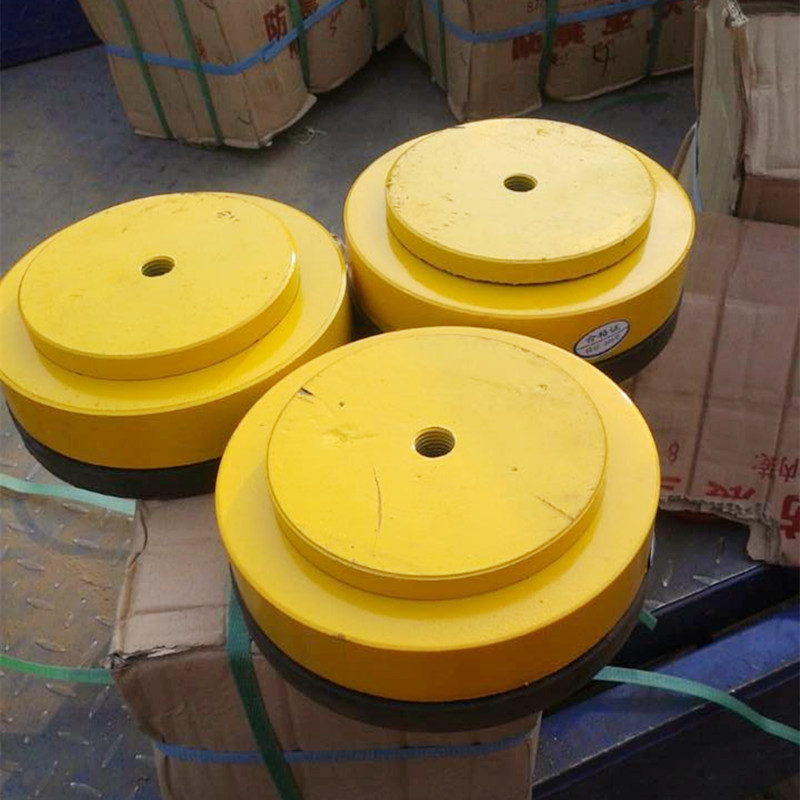
low e glass window
Understanding Pad Vibration A Key Element in Modern Technology In recent years, the advancement of technology has led to the development of various devices that have become integral to our daily lives. Among these innovations, the pad, particularly in the context of tablets, smartphones, and wearable technology, plays a crucial role. However, one often overlooked aspect of these devices is pad vibration. This phenomenon not only enhances the user experience but also serves multiple purposes in user interface design, gaming, and notifications. The Science Behind Pad Vibration Pad vibration is primarily achieved through the use of small motors, typically linear resonant actuators (LRAs) or eccentric rotating mass (ERM) motors. These components are designed to create tactile feedback, which is crucial for enhancing user interaction. When a user receives a notification, taps on the screen, or interacts with an app, the pad's motor generates a vibration, providing a physical sensation that complements the visual and auditory signals. The science behind these vibrations is rooted in mechanics. The motors create movement that converts electrical energy into kinetic energy, resulting in a feeling of vibration. This is carefully calibrated to ensure that the feedback aligns with user expectations, creating a seamless and intuitive interaction. Enhancing User Experience One of the primary reasons pad vibration is so prevalent in devices is its ability to enhance user experience. Tactile feedback serves as an informative cue that our actions have been recognized by the device. For instance, when typing on a virtual keyboard, the vibration that accompanies each key press mimics the sensation of a physical keyboard, increasing user satisfaction and productivity. Moreover, pad vibration adds an emotional dimension to interactions. In gaming, for example, players often experience vibrations that correspond with in-game events, such as explosions or collisions . This immersive experience enhances the realism of the game, making it more engaging and enjoyable. pad vibration Applications in Various Fields Beyond everyday consumer gadgets, pad vibration has found applications across various industries. In the field of healthcare, wearable devices equipped with vibration feedback can alert users to important notifications, such as reminders to take medication or alerts for low heart rates. These devices offer a discreet way to stay informed without the need for visual or auditory alerts, catering to the needs of diverse users. In addition to healthcare, the automotive industry has also adopted pad vibration technology in infotainment systems. Drivers can receive tactile feedback when navigating through menus or receiving alerts, allowing them to stay focused on the road while interacting with their devices. Challenges and Future Developments Despite its advantages, the implementation of pad vibration is not without challenges. Balancing the intensity and duration of vibrations to cater to different user preferences while also conserving battery life is a critical concern for manufacturers. Additionally, as technology continues to evolve, the demand for more advanced and varied haptic feedback experiences is increasing. Innovations in this space include the development of haptic feedback systems that can simulate textures and more complex vibrations, providing a richer user experience. Researchers are also exploring how to use vibrations to convey information in novel ways, such as using varying patterns to signify different levels of urgency. Conclusion In conclusion, pad vibration is more than just a fun feature; it is a pivotal component of modern interaction and communication technologies. By providing tactile feedback, enhancing user experience, and opening up new applications across various industries, pad vibration technology continues to evolve and improve. As we look to the future, the advancements in this field will not only make our devices more responsive but will also redefine how we interact with the digital world. As users, we can expect even more innovative and intuitive experiences that leverage the power of vibration to make technology feel more human.
about
low e glass window
Understanding Levels A Multifaceted Concept The term level permeates various aspects of our lives, serving as a foundational concept in fields like education, gaming, and even personal development. At its core, the idea of a level signifies a stage or degree that indicates the progression toward a goal or the achievement of a certain standard. This multifaceted concept can be explored through various lenses, each providing insights into its significance in different contexts. In education, levels denote a progression of learning, often categorized by grades or stages in a curriculum. For instance, students advance from elementary to high school, and eventually to higher education, each level representing an accumulation of knowledge and skills. Educational levels not only serve to assess a student’s current capabilities but also help in structuring the learning process, ensuring that students are equipped with the necessary foundation before moving on to more complex subjects. This tiered approach fosters a sense of achievement and motivation as students transition from one level to the next, culminating in a sense of accomplishment upon graduation. level Similarly, in the realm of gaming, levels are critical in shaping the player’s experience. Video games often use levels to measure progress, with players navigating increasingly complex challenges. Each level presents unique tasks and obstacles that require new strategies and skills, enhancing the gaming experience . The satisfaction of completing a level is not just about moving forward; it symbolizes personal growth and mastery over the game’s mechanics. The design of level progression in games mirrors real-life challenges, reinforcing the idea that growth often comes through overcoming difficulties. In personal development, levels can be utilized as a framework for setting and achieving goals. Individuals often establish personal benchmarks, allowing them to gauge their growth in various areas of life, such as career, relationships, or health. Setting levels helps in creating a clear roadmap; whether it’s learning a new skill or improving one’s fitness, breaking larger goals into manageable levels makes the journey less daunting and more achievable. This incremental approach instills discipline and perseverance, encouraging individuals to push through obstacles to reach higher levels of success. In conclusion, the concept of levels provides a useful structure in diverse areas of life. Whether in education, gaming, or personal growth, levels serve as markers of progress and achievement. They foster motivation, enhance learning experiences, and facilitate goal-setting, ultimately guiding individuals and communities toward their desired outcomes. As we navigate through different levels in life, it is essential to recognize and celebrate our progress, however small, as each level conquered brings us closer to our ultimate aspirations.
-

High quality industrial productsagement

High quality industrial products
View Details -

Meet the diverse needs of customers

Meet the diverse needs of customers
View Details -

Strict quality control

Strict quality control
View Details -

Top raw materials

Top raw materials
View Details -

Trusted supplier

Trusted supplier
View Details
Our application


news and information
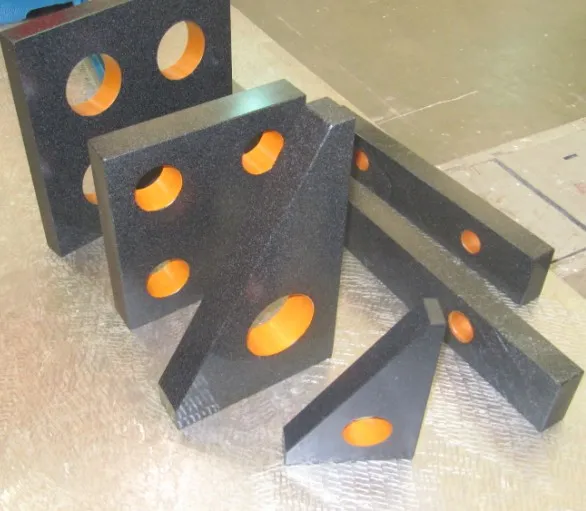
vibration pad manufacturer
The Importance of Vibration Pads in Industrial Applications In today's fast-paced industrial environ

Wholesale Opportunities for Quality Ball Valves at Competitive Prices
ball valves wholesale .
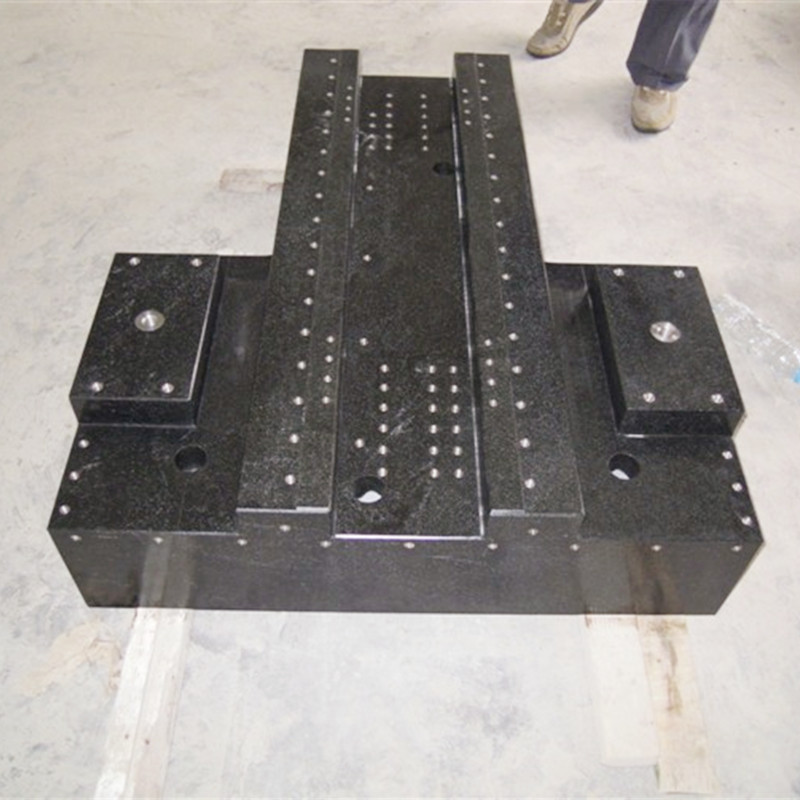
y type filter
Understanding Y-Type Filters A Comprehensive Overview In the intricate world of fluid dynamics and s
 English